


Hey contractors! Let's be real: nobody wants to deal with dumpster rental headaches when you're already juggling a million moving parts on your job site. Yet somehow, even the most experienced pros keep making the same costly mistakes when it comes to dumpster rental Houston projects.
Whether you're working on a kitchen remodel in League City or demolishing a commercial space downtown, these slip-ups can seriously mess with your timeline and budget. The good news? Once you know what to watch out for, avoiding these pitfalls is easier than you think.
Ready to stop throwing money down the drain? Let's dive into the seven biggest mistakes contractors make with construction dumpster rentals: and exactly how to fix them.
Mistake #1: Picking the Wrong Size Like It's a Wild Guess
Here's the thing that drives us crazy: contractors treating dumpster size selection like they're picking lottery numbers. Too small, and you're looking at multiple hauls that'll blow your budget. Too big, and you're literally paying for air space.
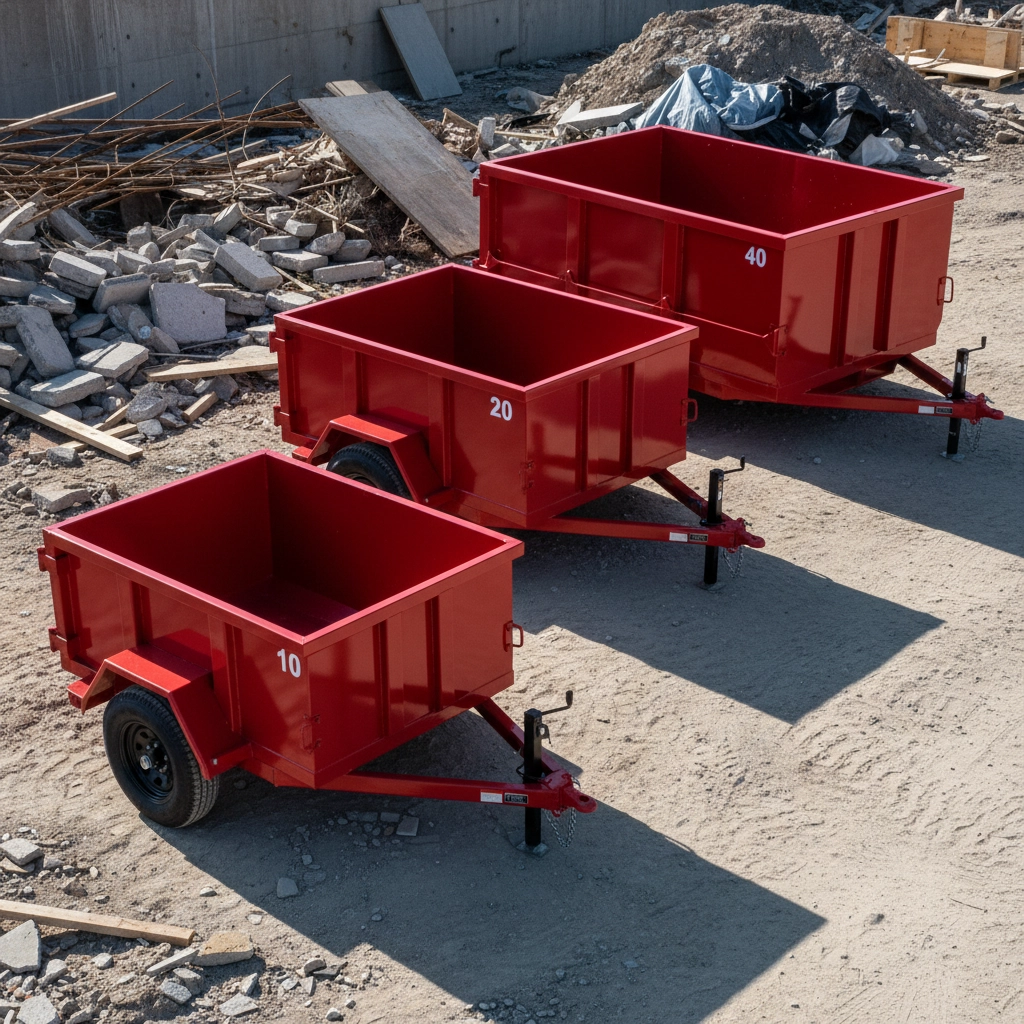
The reality check: Most mobile dumpsters come in 10, 15, 20, 30, and 40-yard options. A kitchen gut job? You're probably looking at a 20-yarder. Full home renovation? That 30 or 40-yard dumpster is your friend.
Here's how to nail it: Calculate your debris volume before you call. As a rule of thumb, one pickup truck load equals about 2 cubic yards. Doing a bathroom remodel? Figure 3-5 pickup loads worth of debris. Complete roof tear-off? You're looking at 15-20 pickup loads easy.
Still not sure? Call us at 281-436-9177 and we'll walk through your project details. We've seen enough jobs to give you a solid recommendation without the guesswork.
Mistake #2: Playing Fast and Loose with Prohibited Materials
Nothing kills a job faster than having your dumpster rejected at the landfill because someone tossed in paint cans, batteries, or that old water heater. Trust us: we've seen contractors get hit with surprise fees that make their eyes water.
What you can't toss: Hazardous materials (paint, solvents, chemicals), electronics, appliances with refrigerant, tires, and anything liquid. Also, some portable dumpsters for rent have restrictions on mixed loads, especially if you're dealing with concrete or asphalt.
Smart contractor move: Create a "prohibited materials" checklist and brief your crew. Set up a separate collection point for electronics and hazardous waste. Many suppliers (including us) can help coordinate proper disposal for these materials: just ask upfront.
Mistake #3: Ignoring Local Regulations (And Getting Slapped with Fines)
Think you can just plop a dumpster anywhere? Think again. Houston and surrounding areas have specific rules about dumpster placement, especially if it's going in the street or close to public areas.
The permit puzzle: Need a dumpster in the street? You'll likely need a permit. Placing it on private property? Usually fine, but check for HOA restrictions. League City, for example, has specific setback requirements from property lines.
Pro tip: When booking your dumpster rental League city or Houston area project, ask your rental company about permit requirements. Many experienced companies (like us) know local regulations inside and out and can guide you through the process.
Mistake #4: Overpacking Like You're Playing Tetris
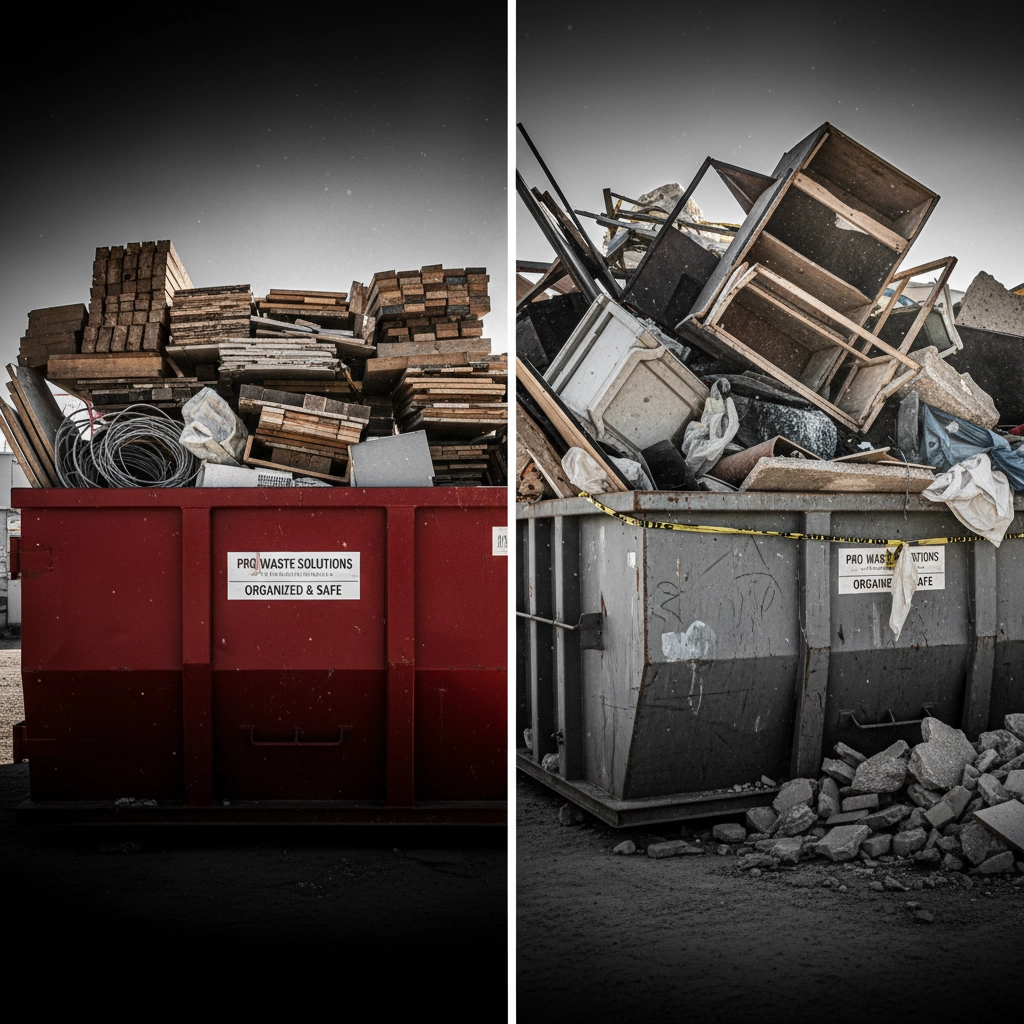
We get it: you want to maximize your rental. But overfilling your dumpster is like trying to stuff 20 pounds of concrete in a 10-pound bag. Weight limits exist for safety reasons, and exceeding them means extra fees or pickup refusal.
Weight reality check: A 20-yard dumpster typically handles 2-3 tons of debris. Loading it with concrete blocks? You'll hit that limit fast. Mixed construction debris? You've got more wiggle room.
The smart approach: Load heavy materials first and distribute weight evenly. If you're dealing with exclusively heavy debris (concrete, dirt, roofing materials), consider a smaller dumpster with higher weight capacity or multiple smaller containers.
Mistake #5: Terrible Dumpster Placement That Kills Productivity
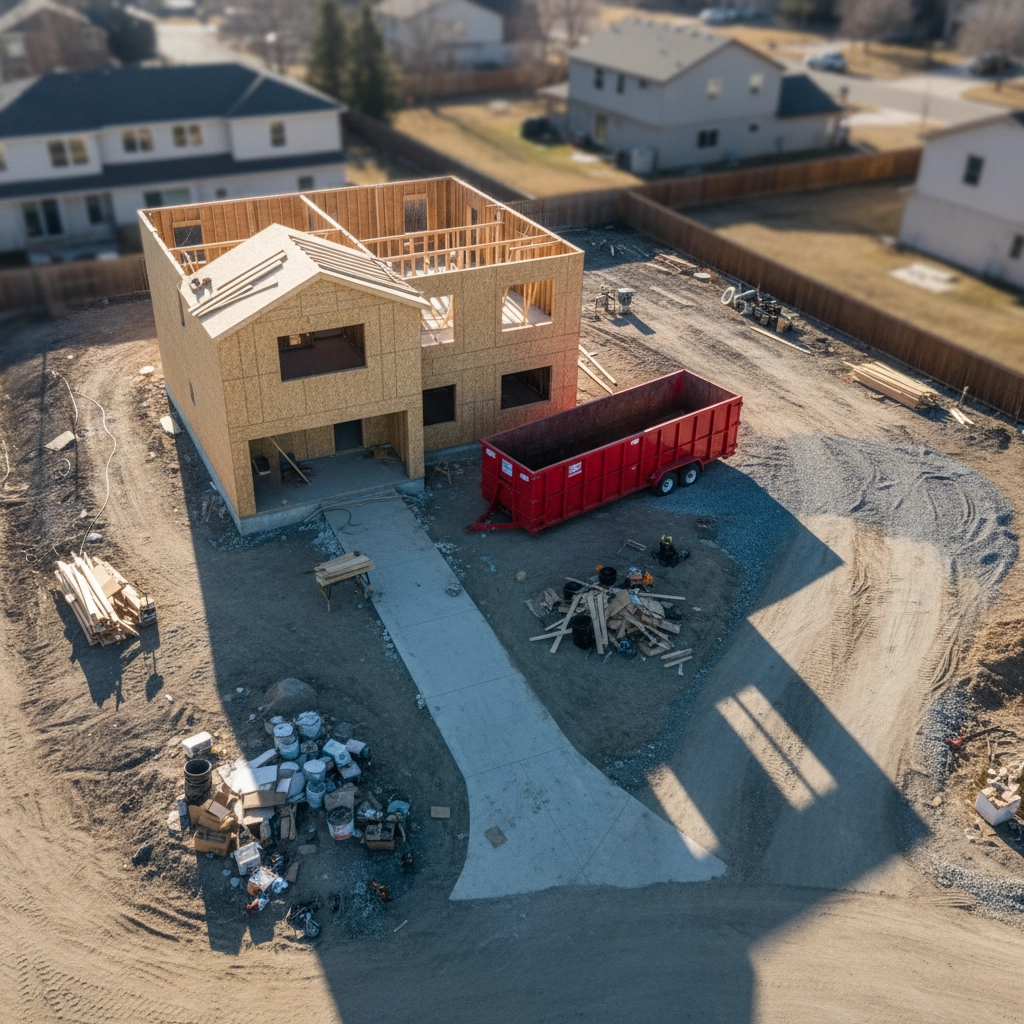
Ever watched your crew spend half their day walking debris to a poorly placed dumpster? Poor placement doesn't just slow down work: it increases labor costs and creates safety hazards.
Placement nightmares: Too far from the work area, blocking access routes, on unstable ground, or in spots where the delivery truck can't easily reach for pickup.
Contractor-smart placement: Position your mobile dumpsters as close to the work area as possible while maintaining clear access for both your crew and the pickup truck. Flat, stable surfaces are non-negotiable. If you're working on a multi-story project, consider ground-level placement with a debris chute system.
Driveway-friendly bonus: Our rubber-tire trailers won't tear up driveways or leave marks on concrete: something your clients definitely appreciate.
Mistake #6: Mixing Heavy and Light Materials Without Strategy
Here's where math matters: throwing everything together without considering weight distribution can push you over limits fast, even when the dumpster looks half empty.
The heavy hitters: Concrete, asphalt, dirt, brick, and stone can max out weight limits quickly. Drywall, wood framing, and insulation are relatively light but take up lots of space.
Strategic loading approach: Start with heavy materials at the bottom and distribute them evenly. Fill remaining space with lighter, bulkier items. If your project generates mostly heavy debris, consider dedicated heavy-debris containers rather than general construction dumpsters.
Mistake #7: Not Reading the Fine Print (And Paying for It Later)
Nobody loves paperwork, but skipping the rental agreement details can cost you big time. Hidden fees, unclear terms, and surprise charges are not what you need when trying to manage project costs.
Common gotchas: Overtime fees for keeping dumpsters longer than agreed, additional charges for prohibited materials, weight overages, and fees for difficult pickup locations.
Smart contractor move: Ask specific questions upfront:
- What's the exact rental period?
- What happens if you need it longer?
- Are there weight penalties?
- What materials are absolutely prohibited?
- Are there any additional fees not listed in the base price?
The Bottom Line: Work Smarter, Not Harder
Look, mistakes happen: we're all human. But when you're running a business, every mistake costs time and money you can't afford to lose. The contractors who consistently nail their dumpster rental Houston projects are the ones who plan ahead, ask the right questions, and work with companies that actually understand construction needs.
Ready to get your next project rolling without the dumpster drama? Give us a call at 281-436-9177. We'll help you choose the right size, navigate local requirements, and place your portable dumpsters for rent exactly where you need them. Because at the end of the day, your job is building( not wrestling with waste management headaches.)

